


Your Back Isn't The Problem. A Muscle In Your Hip Is Pulling On It.
Reaches the psoas — the muscle a roller, a ball and a massage gun all skate over
Sculpted to a therapist's hooked hand, pressed in by your own bodyweight
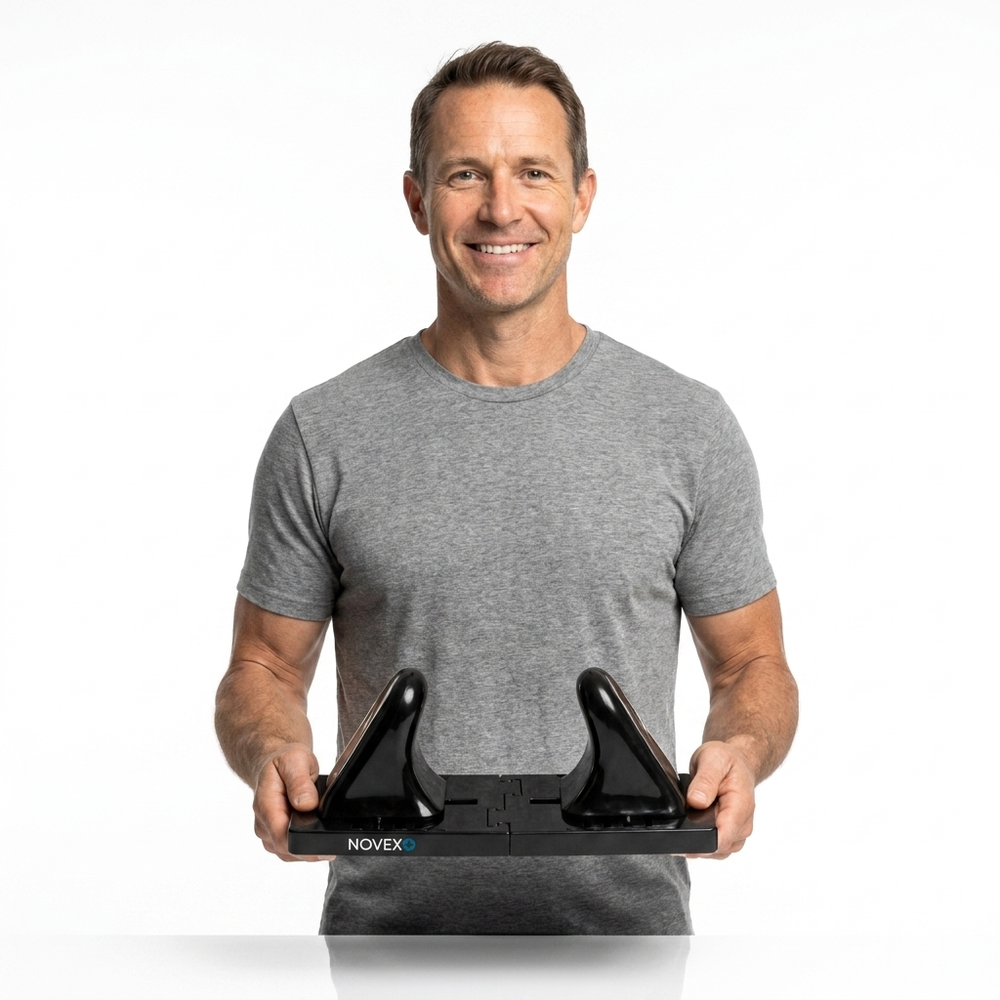
5 slots per side, so it fits your hips instead of someone else's
90 seconds a side, once a day — most people feel it let go in session one
Couldn't load pickup availability
Everything you need to run the protocol from day one:
The Novex Psoas Release Board — one board that splits into two interlocking halves, two sculpted Wave Heads, five placement slots per side. $89.95 value.
The 30-Day Deep Release Protocol (free) — the step-by-step e-book: exact positioning by muscle group, hold times, and a find-the-spot walkthrough so you know what you're feeling for. $29 value.
The Find-The-Spot Video Library (free) — short guided follow-along sessions you can run on your phone while you're on the board. $19 value.
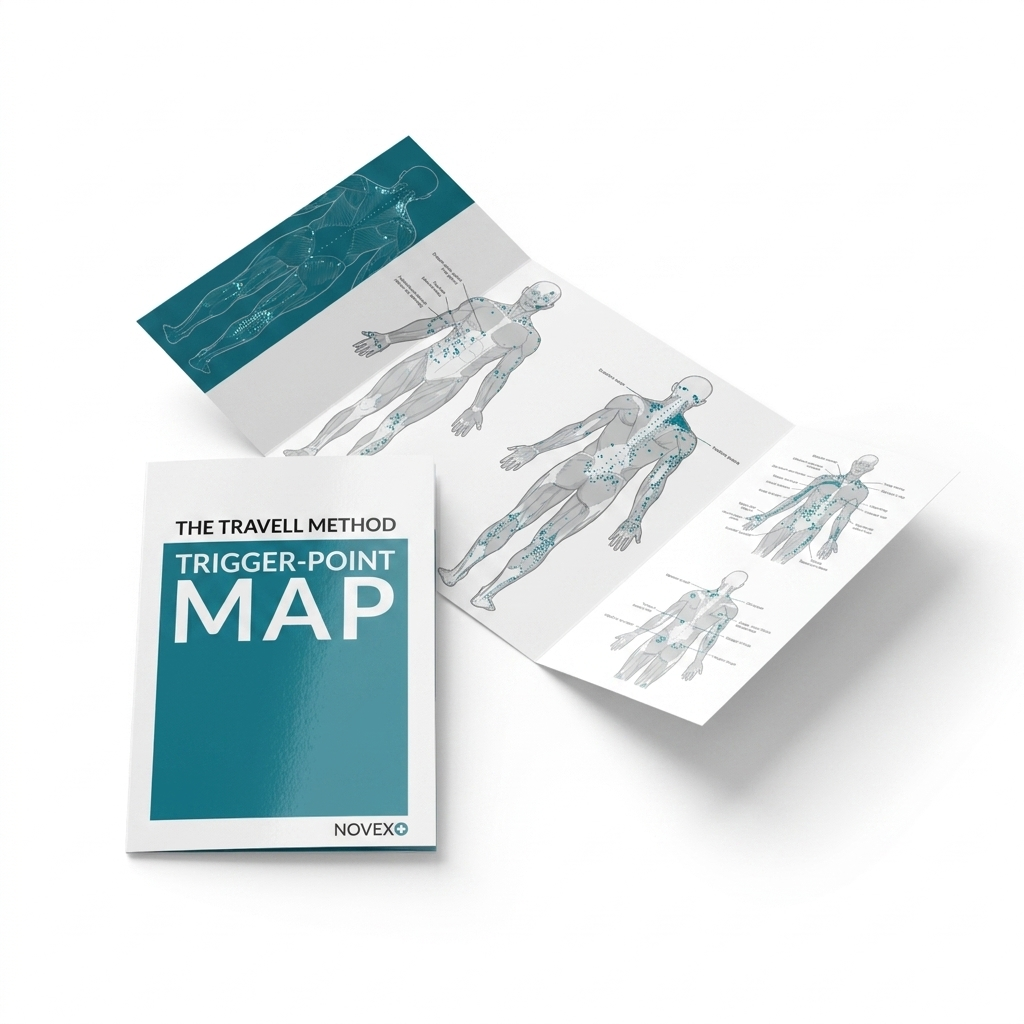
The Travell Method Trigger-Point Map (free) — a printable full-body referral map showing which muscle sends pain where. $15 value.
Total value $152.95. Yours today for $54.95, shipped free.
1. Assemble. Interlock the two halves into one flat, stable base on the floor.
2. Position. Slot a Wave Head into the pair of slots that matches your target — narrow for psoas and hip flexors, wider for lower back and glutes, wider again for upper back and neck.
3. Load. Lower yourself onto the sculpted edge. Gravity does what a therapist's arms do. You decide how deep it goes by how much weight you let down.
4. Hold and breathe. Don't roll. Hold. Ninety seconds, breathing out slowly, and for the psoas, extend the leg under pressure. That sustained hold is the whole point — it's what makes the fibres let go.
5. Reposition. Swap to the other side, then to the next slot if you're working the back or glutes. Once a day. Most people feel something in the first session; the relief starts stacking around week three.
Moulded from high-density ABS with no flex under load — this thing is designed to take your full bodyweight, every day, for years. The two halves interlock and pull apart in a second so the whole board goes flat in a carry-on or a gym bag. Wipe it clean with a damp cloth. No motors, no batteries, no charging, nothing to wear out. It's covered by a lifetime warranty: if it ever cracks or fails, we replace it.
Run the protocol for 60 days. If you never feel that muscle release, email support@novexrelief.com and we'll refund your purchase in full. No form to fill in, no return-shipping runaround, and you keep all three guides. You've already spent money on this problem and been disappointed — this one is on us if it happens again.
Why People Trust Novex
Therapist's-Hand Curve
5 Slots Per Side
Bodyweight Controlled
Splits For Travel
Lifetime Warranty
60-Day Guarantee
Built To Be Loaded Daily. Backed For Life.
Watch people find the spot
The Travell Method Trigger-Point Map
Recommended by clinicians who use sustained-pressure release in their own practice.





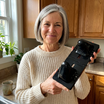
“That first hour at my desk used to set the tone for the whole day. Two weeks in and I get up from the chair without thinking about my back at all. I keep it right next to the sofa.”
Denise K. ✓ Verified Buyer⚠️ Look out for cheap imitations.
Only the genuine Novex board has five placement slots per side and the sculpted Wave Head curve. Knock-offs are fixed lumps of plastic that press the wrong spot and crack under bodyweight. Ours carries a lifetime warranty instead.
The Muscle Pulling On Your Back Is In Your Hip
The psoas is the only muscle connecting your spine to your legs. Sitting holds it short, hour after hour, until it pulls on your lower back like a tightened guy rope. It sits too deep for rollers, balls and massage guns to reach. That is why they never quite got there.
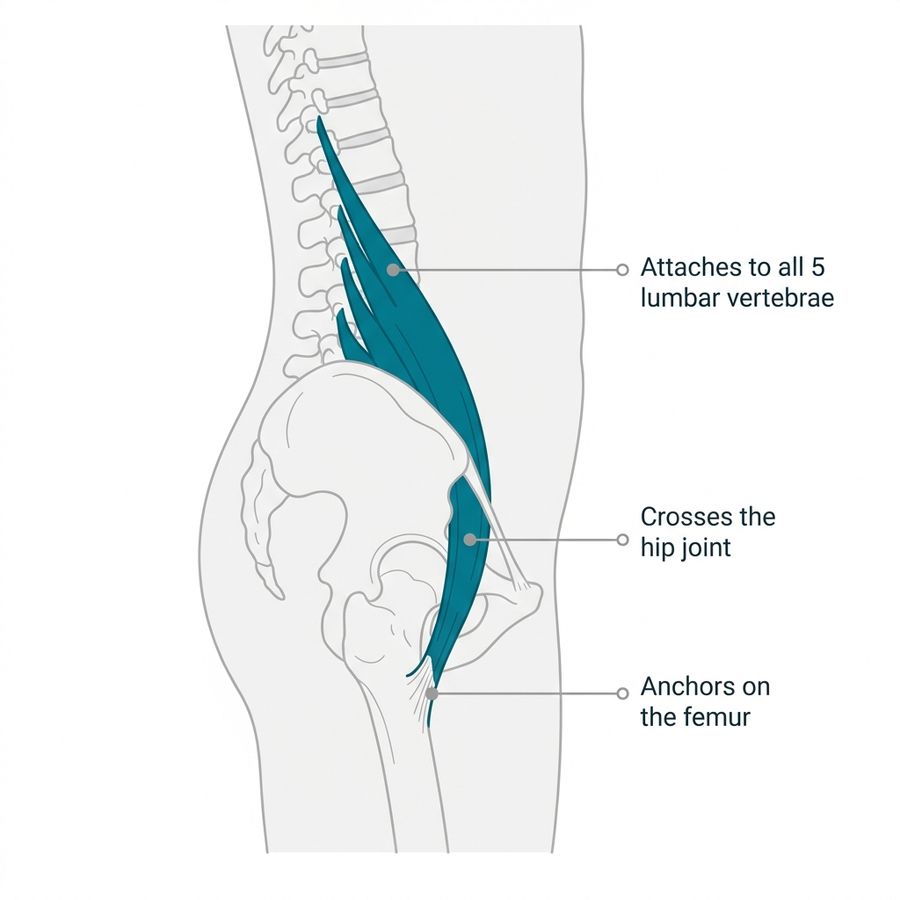
*Published low back pain literature incl. the Lancet Low Back Pain Series and Travell & Simons. Educational — not a claim about individual results.
Ninety Seconds A Side. That's The Whole Protocol.
No motors, no batteries, no appointment. Just you, the floor, and ninety seconds.
Position
Click the halves together and slot the Wave Heads where your body needs them — five positions per side.
Lower on
Lie down onto the sculpted edge. Your own bodyweight supplies the pressure — you decide how deep.
Hold 90 seconds
Don't roll. Hold, and breathe out slowly. Sustained pressure is what makes the muscle finally let go.
Switch sides
Other side, next spot. Once a day is the whole protocol — most people feel something release in session one.
Everything You Get Today
The board, plus the three guides that answer the one question that makes or breaks this: am I in the right spot?
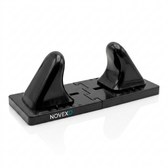
The Novex Psoas Release Board
Splits into two interlocking halves, two sculpted Wave Heads, five placement slots per side.
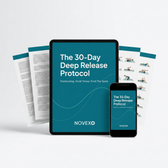
The 30-Day Deep Release Protocol
The step-by-step e-book: exact positioning by muscle group, hold times, and a find-the-spot walkthrough.
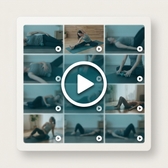
The Find-The-Spot Video Library
Short guided follow-along sessions you can run on your phone while you're lying on the board.
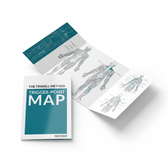
The Travell Method Trigger-Point Map
A printable full-body referral map showing which muscle sends pain where.
60-Day Release-or-Refund Guarantee. Lifetime Warranty. Free US Shipping.
Why This One Works When The Others Didn't

What Happened When People Found The Spot
Desk workers, golfers, therapists, and one man who'd already bought a tool that didn't work.
-
 Mark T. , 51 Verified Buyer“Twenty-eight years at a desk and two clean MRIs. Nobody ever said the word psoas to me. Found the spot on the left side in about a minute, held it for ninety seconds, and felt something genuinely let go. Three weeks in, the 4pm ache is gone and I'm sleeping through.”
Novex Psoas Release Board™
$108.00 $176.00
Purchased June 2, 2026
-
 Rick D. , 47 Verified Buyer“I'd quietly stopped walking 18 holes. Tight left hip, sore back by the turn. Ninety seconds a side the night before a round and the backswing came back — I got maybe fifteen degrees of turn I hadn't had in three years. It lives in the golf bag now because it splits in half.”
Novex Psoas Release Board™
$108.00 $176.00
Purchased May 18, 2026
-
 Denise K. , 54 Verified Buyer“My hips started aching about two years into menopause and I stopped sleeping through the night. I'd tried everything, including two cortisone shots I'd rather not repeat. I started on the widest slots with barely any weight because I was nervous, and worked deeper over a fortnight. I slept eight hours last Tuesday. I cried a bit, honestly.”
Novex Psoas Release Board™
$108.00 $176.00
Purchased June 20, 2026
-
 Priya N. , 38 Verified Buyer“Engineer, ten hours a day in a chair, thought my $900 chair had solved it. It hadn't. What sold me was the explanation — the psoas attaches to all five lumbar vertebrae, so of course a hip muscle can generate back pain. Once that clicked I stopped foam rolling my quads and started actually treating the cause.”
Novex Psoas Release Board™
$108.00 $176.00
Purchased April 30, 2026
-
 Angela R. , 44 Verified Buyer“I'm a massage therapist. Half my caseload has a psoas that won't stay released between sessions, and my thumbs can only take so much. I have clients spend ninety seconds on this before I start and it saves me ten minutes of prep. The five slots matter more than people realise — I work on very different bodies.”
Novex Psoas Release Board™
$108.00 $176.00
Purchased June 9, 2026
-
 Tom W. , 49 Verified Buyer“I bought one of the fixed-shape ones two years ago. Used it four times, felt nothing, decided the whole idea was rubbish. Turns out I'd been putting it two inches off. Moved the head one slot over on this and there it was — that awful, wonderful, that's-it feeling. It wasn't me. It was the shape.”
Novex Psoas Release Board™
$108.00 $176.00
Purchased May 27, 2026


Customer Reviews
Share your experience
Feel It Release, Or It's Free.
Run the protocol for sixty days. If that muscle never lets go, one email to support@novexrelief.com gets you a full refund — no form, no interrogation, no fine print.
You've been let down by enough of these. This one's on us if it happens again.
Straight Answers Before You Buy
What if I can't find the spot?
This is the number one reason people fail with tools in this category, and it's the reason we built the board the way we did. Two things solve it. First, five placement slots per side — you move the Wave Head until it lands on your anatomy, instead of forcing your hips to match a shape moulded for someone else. Second, the 30-Day Deep Release Protocol and the Find-The-Spot Video Library, both free with your board, which walk you through exactly where to start, how far in from the hip bone, and what the right spot actually feels like. Honestly? You'll know. It's specific, it's tender, and people usually make a noise.
How fast will I feel something?
Most people feel the muscle release in the first session — that's the nature of sustained pressure, it either lets go or it doesn't while you're lying there. What takes longer is the change you actually care about. Ninety seconds per side, once a day. Within the first week most people notice they stand up out of a chair differently. Around week three is when it stops resetting and starts compounding, and that's when people tell us they slept through the night or got through a whole workday without the last two hours being ruined.
Will it hurt?
Yes, in the way deep tissue work hurts — the specific, satisfying kind you get when someone finally presses on the right thing. We're not going to pretend otherwise. What matters is that you're the one holding the dial. There's no motor and no stranger's elbow: the pressure comes from your own bodyweight, so you control it to the ounce by how much of yourself you let down onto the head. Start light, breathe out, and go deeper as the tissue gives. Sharp or electric sensations mean move off and reposition — that's the guide's job, and it's in the protocol.
Will it fit my body?
That's precisely what the five slots per side are for. Fixed-shape tools fail two groups hard: very lean people, where a single moulded peak sits straight on bone, and larger or broader people, where the fixed width never reaches the target at all. Narrow hips, wide hips, deep lumbar curve, flat back, tall, short, heavy, light — you slot the heads to your body and adjust again as you move from psoas to lower back to glutes to upper back. Nobody has to fit an average.
Is it safe to press on my abdomen?
For most healthy adults, working the hip flexor region with controlled bodyweight pressure is well established — it's what manual therapists do by hand. But deep abdominal pressure is not for everyone, and we'd rather say so plainly. Please talk to your doctor before using the board if you are pregnant or recently postpartum, have had abdominal, hip or spinal surgery recently, take blood thinners, have a known or suspected aortic aneurysm, an abdominal hernia, IBD, kidney or gallbladder disease, osteoporosis, or any diagnosed abdominal condition. If you have numbness, weakness, or loss of bladder or bowel control, see a doctor rather than a tool. And whoever you are: ease in gently, work well to the side of the midline as the guide shows, never press through sharp or electric pain, and stop if something doesn't feel right.
What if it doesn't work for me?
Then you've lost nothing. Use it for 60 days. If you never feel that muscle release, email support@novexrelief.com and we'll refund your full purchase price — no form, no interrogation, and you keep all three guides. The board is covered by a lifetime warranty on top of that. You've already spent money on this problem and been let down; the risk on this one sits with us, not you.